What to Consider Before Wearing Shoe Lifts?A Practical Guide to Height-Increasing Insoles - Benefits, Risks, and Smart Choices

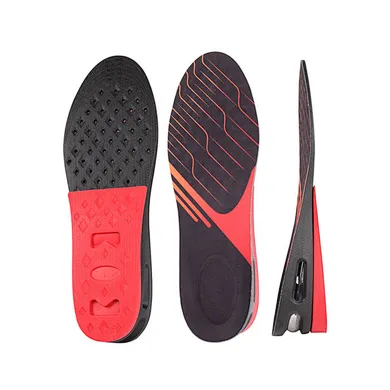
Explore the best insoles for height increase, designed with discreet, elevated heel lifts to add up to 2 inches safely. Perfect for everyday wear, they provide a confidence boost while maintaining comfort and natural posture in your regular shoes.
What to Consider Before Wearing Shoe Lifts
A Practical Guide to Height-Increasing Insoles - Benefits, Risks, and Smart Choices
Table of Contents
What Are Shoe Lifts?
Shoe lifts (also known as height-increasing insoles or elevator shoes inserts) are specialized orthotic devices placed inside footwear to add height discreetly. Unlike standard insoles that primarily provide cushioning, shoe lifts feature a graduated elevation—typically ranging from 1/2 inch to 3 inches—that raises the heel and sometimes the entire foot.
Primary Uses of Shoe Lifts:
- Leg Length Discrepancy (LLD) Correction: Medical applications for individuals with anatomical or functional leg length differences
- Cosmetic Height Enhancement: Increasing perceived height for personal confidence or professional appearance
- Postural Support: Assisting with alignment issues and reducing back or hip strain
- Sports Performance: Some athletes use minimal lifts for specific biomechanical advantages
Did You Know?
Shoe lifts differ from standard insoles by their graduated elevation design, which raises the heel higher than the forefoot to create height while maintaining natural foot positioning.
Medical vs. Cosmetic Shoe Lifts
Medical Shoe Lifts
Prescribed by healthcare professionals to address specific conditions:
- Leg Length Discrepancy (LLD): Correcting differences greater than 1/2 inch between legs
- Post-Surgical Rehabilitation: After hip, knee, or ankle procedures
- Spinal Alignment Issues: Reducing scoliosis-related discomfort
- Achilles Tendon Injuries: Gradual stretching and support during recovery
Cosmetic Shoe Lifts
Used primarily for personal preference rather than medical necessity:
- Height Enhancement: Typically adding 1-3 inches of perceived height
- Proportion Balancing: Creating visual balance for certain body types
- Professional Image: In industries where height perception may impact perceived authority
Important Distinction
Medical shoe lifts should always be professionally fitted and prescribed, while cosmetic lifts require careful self-assessment and gradual adaptation.
Key Considerations Before Using Shoe Lifts
1. Height Increase Limitations
Most podiatrists recommend starting with minimal lifts (1/2 to 1 inch) and gradually increasing if needed. Sudden significant height changes can:
- Alter your center of gravity and balance
- Strain calf muscles and Achilles tendons
- Change your walking gait significantly
2. Footwear Compatibility
Not all shoes accommodate lifts effectively. Consider:
- Shoe Size Adjustment: You may need shoes 1/2 to 1 size larger
- Toe Box Height: Enough vertical space to prevent pressure on toes
- Closure Type: Lace-up shoes offer better adjustability than slip-ons
3. Adaptation Period
Your body needs time to adjust to the altered biomechanics of wearing lifts:
- Start with 1-2 hours daily, gradually increasing wear time
- Expect initial muscle stiffness in calves and feet
- Practice walking on different surfaces before extended use
4. Potential Risks and Discomforts
Be aware of possible issues:
- Balance Challenges: Especially with higher lifts
- Foot Discomfort: Pressure points if lifts don't distribute weight evenly
- Back and Knee Strain: If alignment isn't properly maintained
Choosing the Right Shoe Lifts
Material Considerations
- High-Density Foam: Lightweight and comfortable for daily wear
- Leather-Covered: More durable and moisture-resistant
- Cork: Natural material that conforms to foot shape over time
- Gel-Filled: Excellent cushioning but may add weight
Design Features to Look For
- Graduated Slope: Gentle incline from toe to heel for natural feel
- Arch Support Integration: Combined height increase and orthotic support
- Breathable Materials: Prevent moisture buildup and odor
- Trimmable Design: Customizable fit for different shoe sizes
Height Selection Guide
- Beginner (0.5-1 inch): Minimal adjustment, suitable for most first-time users
- Intermediate (1-2 inches): Noticeable height increase, requires adaptation period
- Advanced (2-3 inches): Significant height boost, may require special footwear
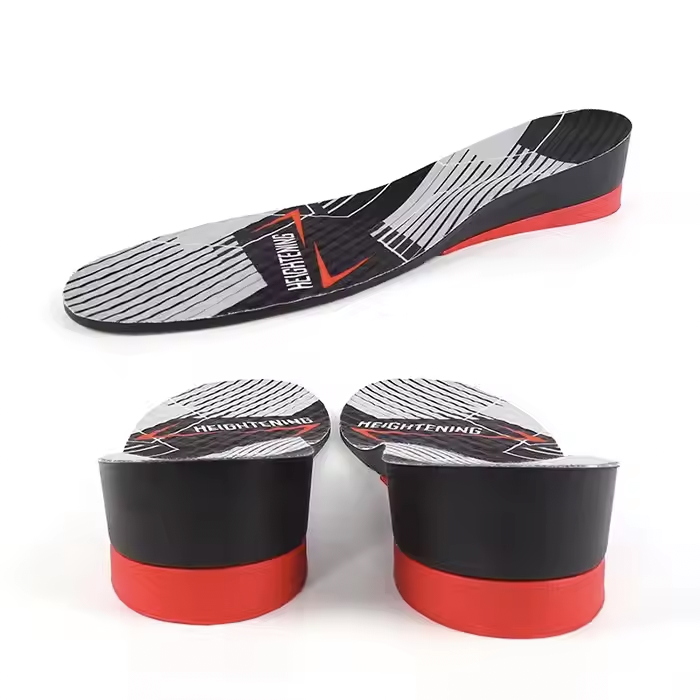
Experience unparalleled flexibility with our adjustable insoles. Each pair features removable layers, enabling you to fine-tune your height boost. Whether you need a subtle boost for confidence at work or a more significant lift for a special event, you’re in complete control. This modular design ensures the perfect fit and comfort for every shoe and scenario.


Expert Advice on Shoe Lift Usage
"Shoe lifts can serve legitimate medical and cosmetic purposes, but they must be approached thoughtfully. I always recommend starting with the lowest height increase possible and gradually working up. The body's musculoskeletal system needs time to adapt to altered biomechanics. For medical applications, proper diagnosis and custom fitting are non-negotiable."
Dr. Robert Chen
Orthopedic Specialist & Biomechanics Researcher
Professional Recommendations:
- Consult a Professional First: Especially for lifts over 1 inch or for medical applications
- Prioritize Quality Over Cost: Well-designed lifts prevent long-term issues
- Listen to Your Body: Discomfort is normal during adaptation; pain is a warning sign
- Combine with Proper Footwear: Supportive shoes enhance lift effectiveness and safety
- Regular Assessment: Re-evaluate need and fit every 6-12 months
FAQs About Shoe Lifts
Are shoe lifts bad for your feet or back?
When used properly and gradually introduced, shoe lifts are generally safe. However, improper use (especially excessive height too quickly) can strain muscles and alter gait. Medical supervision is recommended for significant height increases or pre-existing conditions.
How long does it take to get used to wearing shoe lifts?
Adaptation varies by individual and lift height. For 1-inch lifts, most people adjust within 1-2 weeks of gradual wear. For higher lifts (2+ inches), allow 3-4 weeks for full adaptation. Listen to your body and decrease wear time if experiencing significant discomfort.
Can I wear shoe lifts with any type of shoes?
Not all shoes accommodate lifts well. Lace-up shoes with removable insoles work best. Avoid tight-fitting shoes or those with minimal interior space. Some lift manufacturers offer specific models for dress shoes, sneakers, or boots.
What's the maximum recommended height for shoe lifts?
For non-medical use, most experts recommend not exceeding 3 inches in a single pair of lifts. Higher elevations dramatically alter biomechanics and increase fall risk. Stacking multiple lifts is not recommended.
Do shoe lifts require special maintenance?
Quality lifts should be aired out regularly and cleaned according to manufacturer instructions. Inspect for compression or wear every few months, as degraded lifts lose effectiveness and can cause alignment issues.
Conclusion
Shoe lifts offer a practical solution for both medical correction and cosmetic height enhancement, but they require thoughtful consideration before use. By understanding the differences between medical and cosmetic applications, selecting appropriate heights and materials, and allowing for proper adaptation periods, users can enjoy the benefits while minimizing risks.
Remember that gradual introduction and quality products are key to successful shoe lift usage. Whether addressing leg length discrepancy or seeking added height, informed decisions lead to better outcomes and long-term comfort.
For medical applications, always consult with a healthcare professional before using shoe lifts.


Confidence Boost: How Elevator Insoles Can Change Your Posture and Style
Height Increase Insoles: A Complete Guide to Pros and Cons